The Ultimate Guide to Technical House Inspection Netherlands: Everything You Need to Know

I hope this article helps you make a better decision.
Want to book a technical inspection right away? Click here.
Author: Maurits Veldhuis | Home inspector at WoonKeur
Published on: March 17, 2026
Buying a house in the Netherlands is a major financial decision. Whether you are a local buyer or an expat, it is important to fully understand the condition of the property before you commit. A building inspection is an essential step when you want to buy a house, as it helps prevent unexpected costs and supports your position during price negotiations.
A technical house inspection provides exactly that clarity for a home, ensuring you know what you are buying before the purchase.
It gives you insight into the structural condition of the property, highlights potential risks and helps you avoid unexpected costs after the purchase.
A technical inspection provides clarity about the condition of a property before purchase.
Investing in a technical inspection is advisable as it can save money in the long term by identifying potential risks early.

Key Takeaways
- A technical inspection shows the real condition and risks of a property
- Basic inspections are limited and often only for the bank
- A good inspector makes a big difference in quality and insight
- The report helps you make a confident decision
- Extra inspections can reveal hidden problems

What is an English technical house inspection in the Netherlands?
An inspection in English, especially as a pre-purchase evaluation, is a thorough, non-invasive and visual examination of the condition of a property. The inspector examines the house from top to bottom and inside out, including the structure, roof, floors, walls, windows and installations.
The inspection focuses on all visible and accessible parts of the building. An inspection for a property is intended to identify risks and defects, evaluate the general condition, and detect potential structural or technical issues, providing quality assurance and supporting warranty protection. No destructive testing is performed, but experienced inspectors are able to identify risks and defects based on what is visible.
We do not just take a quick look and leave. All key aspects of the property are carefully assessed. It is wise to have a technical inspection performed before buying a house or planning major maintenance, as this helps to have a clear understanding of the property’s condition and avoid unexpected costs.
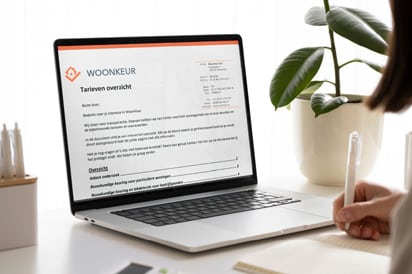
After the inspection, you receive a clear technical report with photos, straightforward explanations and an estimate of repair and maintenance costs. No technical jargon, just practical insights you can actually use.
Our reports meet the NTA 8060 standard, go beyond where needed, and are accepted by all mortgage providers in the Netherlands, including NHG (National Mortgage Guarantee) and NWWI.
A technical inspection is not mandatory but is strongly recommended when buying a house. The findings from a technical inspection empower buyers to make informed decisions regarding their property purchase.

Why is a technical inspection important?
A property may look good during a viewing, but many defects are not immediately visible. Hidden issues such as moisture problems, structural damage or outdated installations can lead to significant repair costs after purchase. A technical inspection when buying a house is therefore essential, as it helps identify hidden defects, assess the structural condition and prevent financial risks during the buying process.
A technical inspection helps you:
- Gain full insight into the actual condition of the property
- Identify risks before signing the purchase agreement
- Avoid unexpected and potentially high repair costs
- Make a well informed decision based on facts
- Strengthen your position during price negotiations
- Negotiate repairs or withdraw from the purchase if significant defects are found
- Use the inspection report to negotiate the purchase price of the property
- In many cases, buyers include a technical inspection as a condition in the purchase agreement. If the inspection reveals significant defects or if the repair costs exceed a certain amount, this allows them to renegotiate repairs or withdraw from the purchase.
Mortgage providers may also require a technical inspection, especially when using NHG, if there are indications of maintenance issues.

The benefits of a technical house inspection
A technical inspection shows you the true condition of a property. No surprises after the purchase. No unexpected repair costs. You know exactly where you stand.
The report provides clear and concrete information about defects and necessary repairs. This allows for focused and well informed negotiations on price and conditions. Factual. Objective.
A technical inspection reduces financial risk. Simple as that. You avoid high costs caused by hidden defects after the transfer.
For buyers, this means certainty. For sellers, it means a smoother sales process with fewer discussions about the condition of the property.
No marketing talk. A technical inspection is practical information that helps you make better decisions when buying or selling a property.
Avoid expensive surprises
Make a confident decision instead of a risky one.
What is inspected during a technical house inspection?
During a technical house inspection, all visible and accessible parts of the property are carefully assessed. This includes both structural elements and installations, giving you a complete overview of the condition of the home. The inspection covers more than 360 components of the property, ensuring a highly comprehensive assessment. Based on the findings, it becomes clear what work is required and what costs are needed to bring the property into good condition.
Structural components
- Foundation and crawl space (if accessible)
- Walls, facades and structural elements
- Floors and ceilings
- Roof construction and roofing materials
Exterior elements
- Roof covering, gutters and drainage
- Chimneys and flashing
- Windows, frames and doors
- Exterior finishes and visible condition
Interior components
- Walls, ceilings and finishes
- Bathroom and kitchen condition
- Signs of moisture or damage
Installations
- Electrical system and fuse box
- Plumbing and water systems
- Heating system
- Ventilation and insulation
The inspection is always visual and non destructive. However, thanks to experience and a structured approach, inspectors are able to identify potential risks and areas that require attention.
It is important to note that not every home inspector in the Netherlands assesses all of these components in the same level of detail. Always check in advance what is included in the inspection.
Also pay close attention to the type of inspection you choose. The price of a technical inspection can vary depending on the type of inspection you select; basic inspections are often limited in scope and may not provide the level of insight you need. More extensive inspection types, such as upgraded or comprehensive inspections, can offer a much clearer understanding of the property and reduce the risk of unexpected costs.

Choosing the right home inspector in the Netherlands
The quality of the inspection depends on the expertise of the inspector.
A professional home inspector should be:
- Certified and trained according to Dutch standards
- Experienced in building inspections
- Independent and objective
- Familiar with current regulations and construction practices
- Able to clearly explain findings in understandable language
For expats: English speaking inspectors
For international buyers, it is essential that the inspection is carried out in English.
This ensures that you:
- Fully understand the condition of the property
- Can ask questions during the inspection
- Receive a report you can actually use
Choosing an English speaking inspector removes uncertainty and prevents miscommunication during an important decision.
The technical inspection report explained
After the inspection, you receive a detailed report that gives you a complete overview of the property.
A professional technical inspection report includes:
- A clear description of the condition of the property
- Identified defects and shortcomings
- Photos of relevant findings
- Explanations in plain language
- Estimated costs for repairs and maintenance
- Recommendations for next steps
The report is delivered digitally, usually within 1 to 2 working days.
This document is essential for:
- Making a final purchase decision
- Negotiating the price
- Sharing with your mortgage advisor or lender

Additional services: when are they useful?
Depending on the property, additional inspections or more extensive inspection types may be relevant. These services provide deeper insight into specific risks that are not always fully visible during a standard technical inspection.
Additional inspection techniques usually involve extra costs. It is therefore important to ask about these costs in advance. We also recommend discussing with the inspector which additional inspections are relevant for your specific situation and the type of property.
Visual asbestos inspection
A visual asbestos inspection is one of the additional services that can be performed during a technical inspection. It focuses on identifying materials that may contain asbestos, based on visible indicators.
This inspection is non destructive and does not involve laboratory testing. However, it can provide important signals that further specialised investigation may be required.
Asbestos was widely used in older buildings. If present, removal can be costly and may have health implications.
Detecting asbestos early can:
- Prevent potential health risks
- Avoid unexpected costs
- Influence your purchase decision
Thermographic inspection
A thermographic inspection uses a thermal imaging camera to detect temperature differences in a property. This allows the inspector to identify issues that are not visible to the naked eye.
With this technique, problems such as leaks, insulation defects and thermal bridges can be detected much more accurately.
Leakages are a common issue in Dutch houses and can lead to significant damage and repair costs if not identified in time.
Adding a thermographic inspection can therefore provide valuable additional insight. In many cases, the relatively small extra investment can prevent major financial risks later on.

What to expect during the inspection
A technical inspection is a structured and efficient process.
- The inspection takes approximately 1 to 1.5 hours
- The inspector evaluates the property step by step
- All relevant components are visually assessed
It is strongly recommended that you are present during the inspection.
This allows you to:
- Ask questions directly
- Understand the findings immediately
- Get additional context from the inspector
Frequently asked questions
How much does a technical inspection cost in the Netherlands?
Is a technical inspection mandatory?
How long does it take to receive the report?
What is included in a technical inspection?
How long does the inspection take?
Conclusion
A technical house inspection is one of the most important steps when buying a property in the Netherlands.
It gives you clarity, reduces uncertainty and helps you make a well informed decision based on facts instead of assumptions.
By understanding the true condition of the property before you buy, you avoid unexpected costs and gain confidence in your investment.
About the author:
Maurits Veldhuis
Home inspector at WoonKeur
Maurits has been a home inspector at WoonKeur for nearly five years and has inspected hundreds of properties. His experience allows him to quickly identify structural risks and spot what buyers and homeowners should pay attention to. He regularly shares his knowledge through articles on inspections and smart property maintenance.
Need a
technical inspection?
Table of contents
Table Of Content
About WoonKeur

WoonKeur: no nonsense, just quality
No fluff. Just clear, independent inspections you can actually rely on. Fast, straightforward and built to give you real clarity.

20+ specialists

Active across the Netherlands

Certified and trusted
We meet the NTA 8060 standard and all NHG and NWWI requirements.
So you know your inspection is done to the highest quality standards.

10+ awards
Recognized multiple years as the best home inspector by Trustoo  .
.

17.432 people were ahead of you!